
How to Compare Parking Barrier Manufacturers and Suppliers
Release time:
2026-11-05
Conclusion: compare parking barrier suppliers on evidence, scope and long-term support rather than unit price. Product fit, model-specific datasheets, safety design, conformity documents, integration responsibility, warranty, spare-parts availability and total cost of ownership should be scored identically for every quotation.
Choosing a parking barrier is not simply a matter of comparing prices or selecting the model with the fastest opening time. A boom barrier is part of a wider vehicle access-control installation, so its suitability depends on the entrance layout, traffic frequency, safety devices, access-control equipment, installation conditions and the support available after commissioning. Comparing manufacturers and suppliers against the same project requirements helps buyers avoid hidden costs and equipment that does not fit the site.
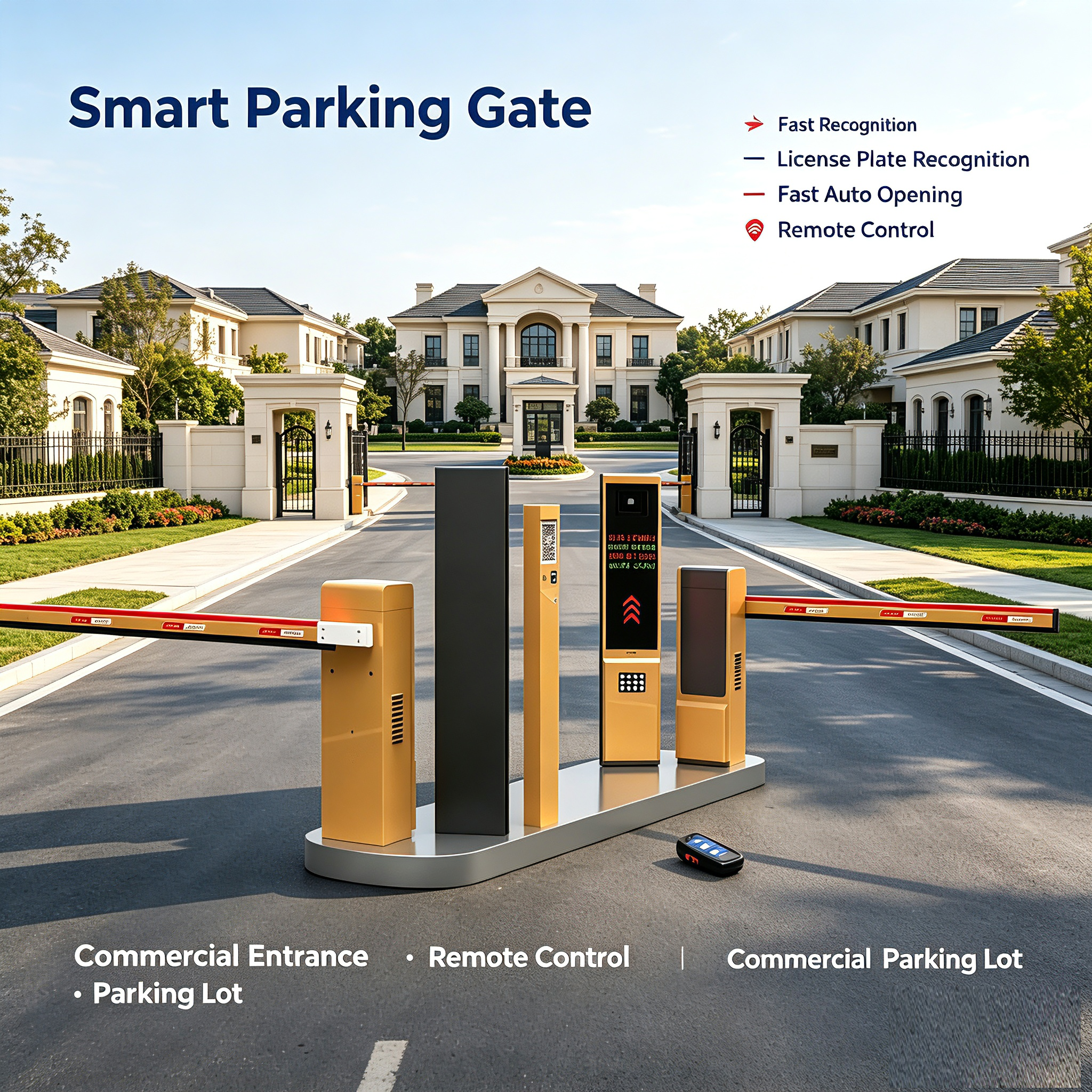
For European projects, the comparison should cover more than the barrier cabinet and boom arm. A supplier may also need to provide RFID access, ANPR/LPR vehicle recognition, parking-management software, radar or loop detection, accessories, wiring information and integration support. BAROXON Europe's published product range includes boom barriers, high-speed barriers, ALPR/LPR systems, automatic RFID boom barriers, pedestrian access control, turnstiles, radar sensors, parking locks, gate openers and barrier accessories.
1. Start with the Project Requirements, Not the Supplier's Catalogue
Before requesting quotations, prepare a short project brief. Record the number of entry and exit lanes, available lane width, vehicle types, expected peak-hour traffic, operating hours, indoor or outdoor installation, available power supply and the required access-control method. Include photographs or a dimensioned site drawing where possible. Suppliers can only make a meaningful recommendation when they understand the installation conditions.
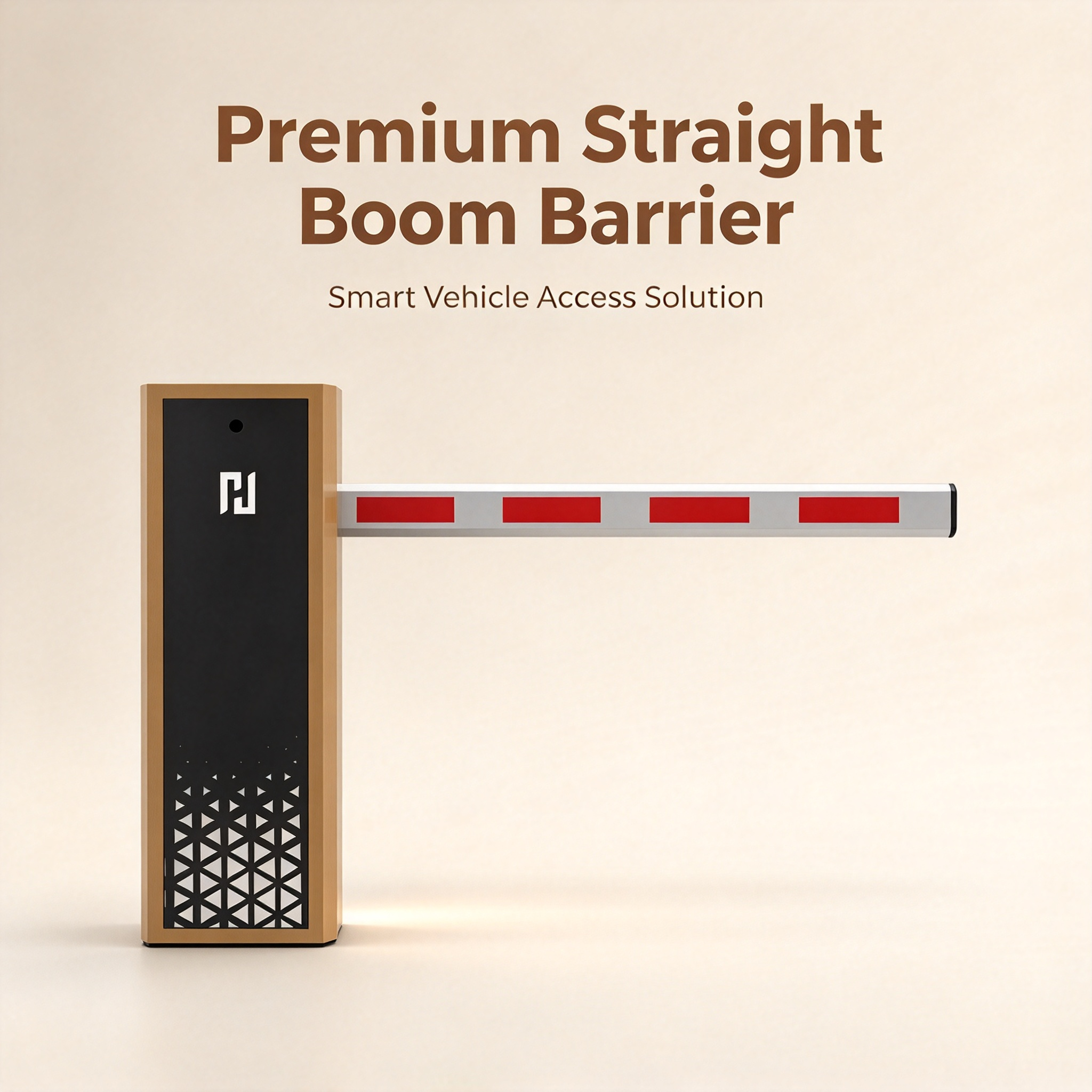
Also identify the main purpose of the barrier. A residential car park may prioritise controlled access for residents and visitors. A retail or public car park may need integration with ticketing and payment. A logistics facility may require frequent operation and a barrier suitable for vans or heavy vehicles. A restricted-height underground entrance may need a folding arm rather than a straight boom.
A clear brief allows every manufacturer to quote against the same scope. It also makes it easier to identify exclusions, optional accessories and differences between apparently similar offers.
2. Check the Manufacturer's Product Range and Engineering Fit
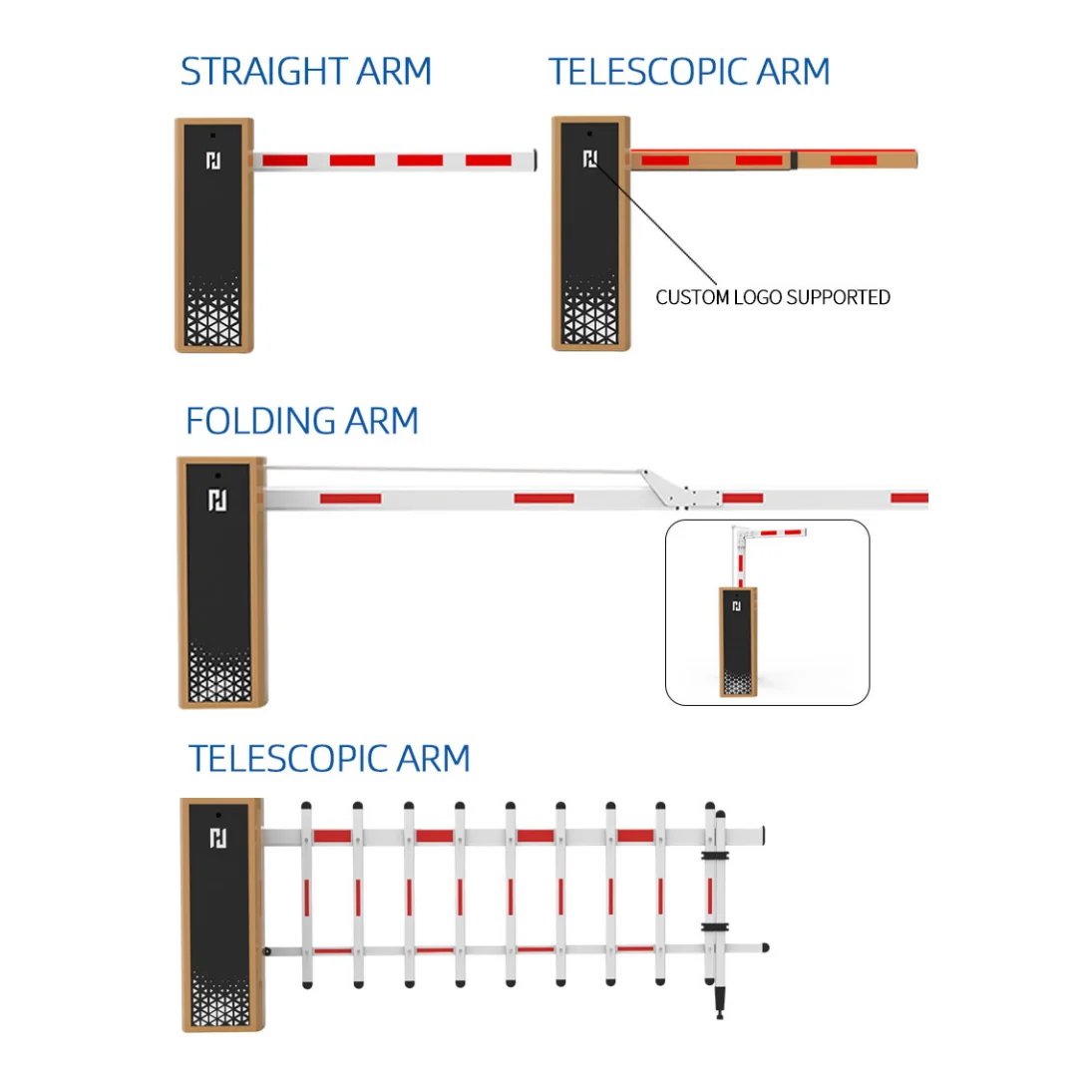
A capable parking barrier manufacturer should be able to explain which product category fits the project and why. Compare the available boom barrier types, including standard straight-arm barriers, folding or articulated-arm barriers, fence-arm barriers and high-speed models. Check whether the supplier can also provide compatible access-control equipment and accessories rather than leaving the buyer to source every component separately.
BAROXON Europe's product categories cover standard and high-speed boom barriers, RFID and ALPR/LPR access solutions, radar sensors and barrier accessories. This breadth can be useful for projects that need a matched vehicle-access package. However, buyers should still confirm the exact model, supplied components and integration scope in writing; a broad catalogue does not automatically mean that every product is included in one quotation.
Questions to ask
- Which barrier model is recommended for this lane width and traffic level?
- Is the arm straight, folding, articulated or fence-style?
- What is included in the quoted configuration?
- Are the motor, control board, cabinet and arm supplied as a matched set?
- Which accessories and safety devices are optional?
- Can the supplier provide a dimensioned drawing and installation manual?
3. Compare Technical Specifications on an Equal Basis
A headline specification is useful only when the conditions behind it are clear. Compare opening and closing time, boom-arm length, duty cycle, motor type, power supply, enclosure protection, operating temperature, expected traffic frequency and the stated service-life or cycle-test method. Make sure the figures refer to the exact model and arm configuration being quoted.
Do not compare a short-arm barrier with a long-arm model as if the operating conditions were identical. A longer or heavier arm can change the required drive configuration and operating speed. A high-speed rating may apply only to a particular arm length, traffic condition or motor package. Ask the manufacturer to state the test configuration and the permitted operating duty.
Use a comparison sheet with the same fields for every quotation. If a supplier leaves a field blank, mark it as “not confirmed” rather than assuming that the product meets the requirement. This prevents a low quotation from appearing more competitive simply because important items have not been specified.
4. Evaluate Safety Design and Risk Controls
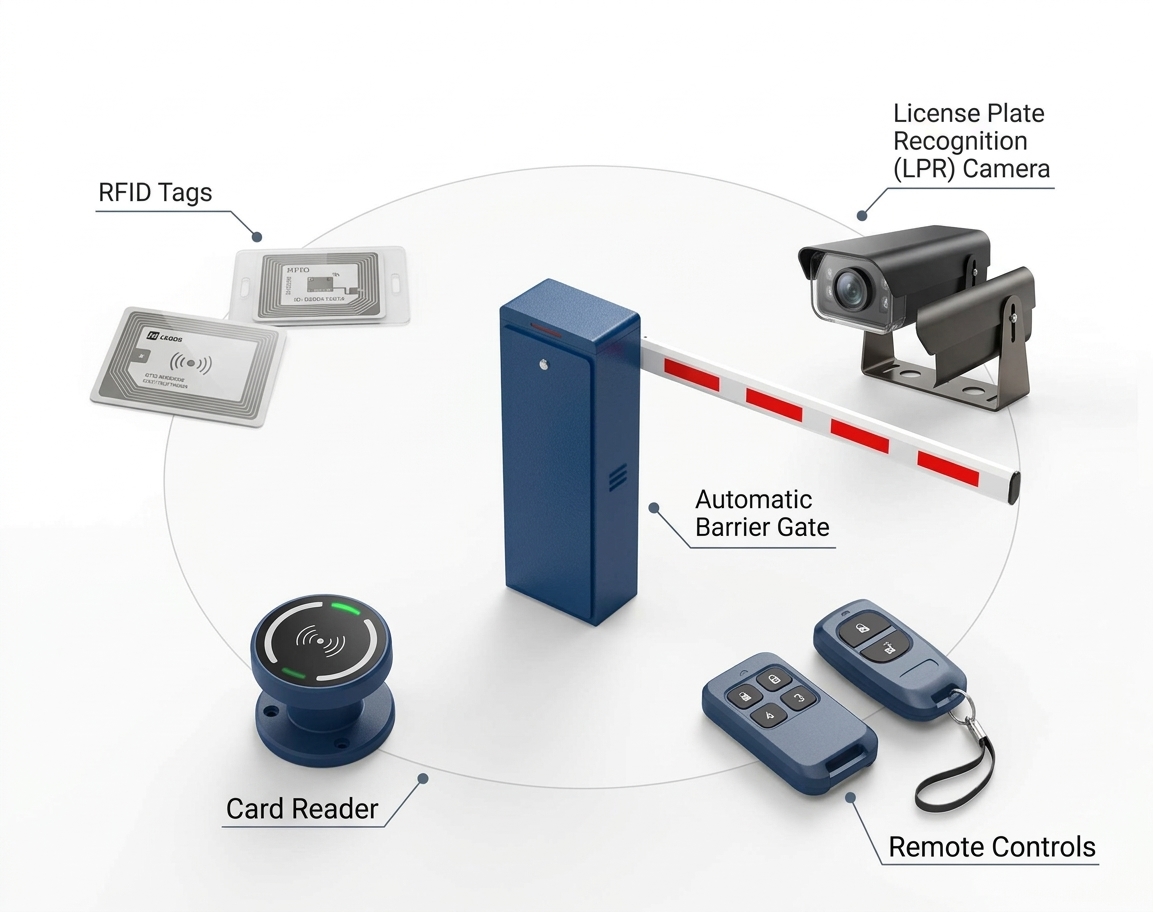
A parking barrier controls a moving arm across a vehicle lane, so safety should be a central part of supplier evaluation. Ask which vehicle-detection devices are supported, such as induction loops, photoelectric sensors or radar detection, and whether the selected configuration includes the devices required by the site risk assessment. Confirm how the barrier responds when a vehicle remains under the arm, a sensor is obstructed or power is interrupted.
Check the available anti-collision or auto-reverse functions, manual emergency release and the instructions for safe maintenance. Ask for wiring diagrams showing how the safety devices connect to the controller. Do not accept a general statement such as “safe operation” as a substitute for a defined safety arrangement and commissioning test.
For European installations, the project team should identify the applicable machinery, electrical, EMC and site-specific requirements with the responsible installer or compliance specialist. Ask for the Declaration of Conformity and relevant technical documentation for the exact product configuration where applicable. A company-level quality certificate is not the same as product-specific conformity documentation.
5. Verify Quality Management and Product Documentation
A manufacturer should be able to explain its quality-control process and provide documents that support the quoted product. Ask how incoming materials are inspected, how motors and control boards are tested, whether each unit receives a functional test before dispatch and how serial numbers or batch records are maintained. If the project is large or critical, discuss whether a pre-shipment inspection or third-party inspection can be arranged.
BAROXON's Europe website describes its manufacturing and R&D capability, quality-management systems and product testing approach. When comparing any supplier, request current copies of the relevant certificates and confirm the issuing organisation, certificate scope, validity and the legal entity covered. Do not rely only on logos or certificate numbers shown in marketing material.
Ask for the product datasheet, installation manual, wiring diagram, spare-parts list and maintenance instructions before placing the order. These documents help the installer plan the work and help the operator maintain the equipment after handover.
6. Check Integration with RFID, ANPR and Parking Software
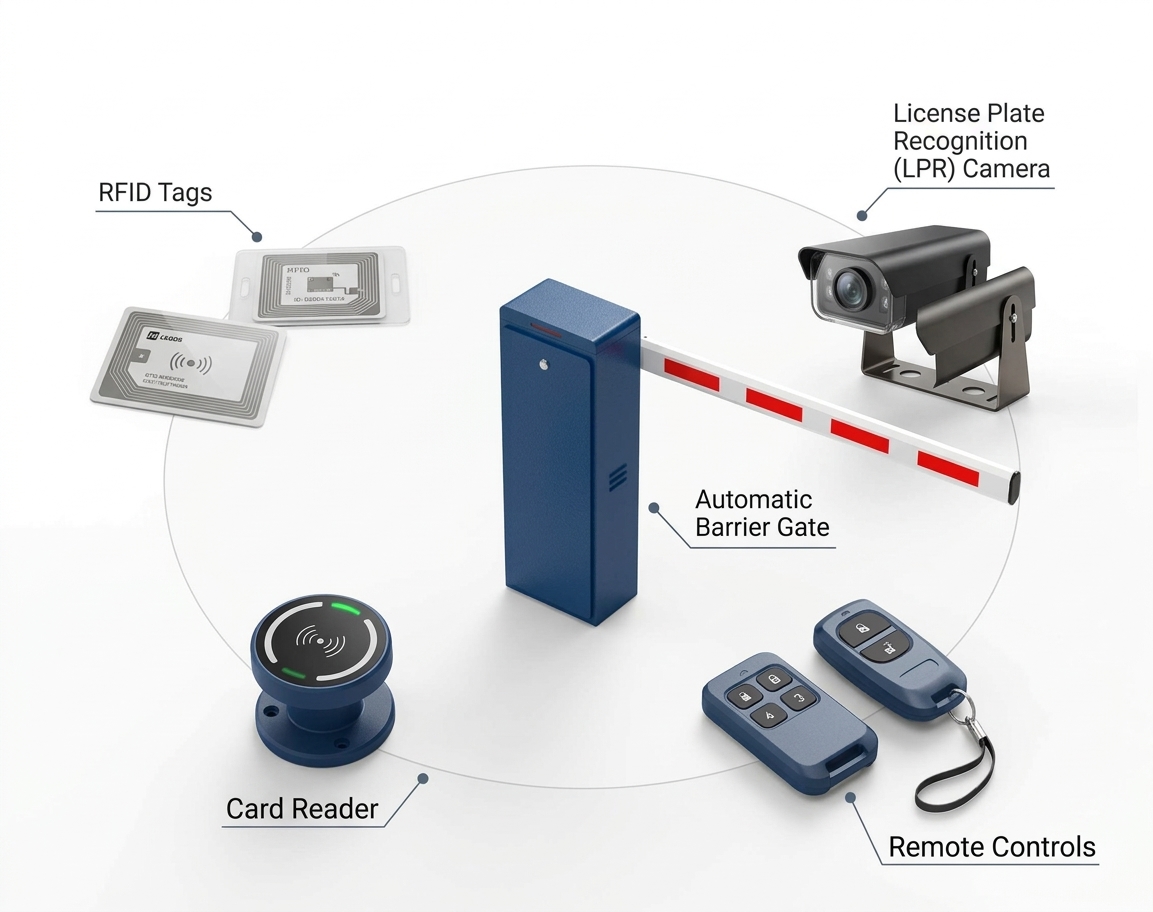
Many modern car parks need more than a barrier arm. Depending on the access policy, the system may need RFID cards or UHF vehicle tags, ANPR/LPR cameras, ticket dispensers, intercoms, payment terminals, loop detectors or third-party parking-management software. The supplier should identify which interfaces are available and provide a clear integration responsibility matrix.
BAROXON's published product range includes automatic RFID boom barriers and ALPR/LPR car-plate systems, as well as parking-management solutions. For a project requiring integration, ask whether the quotation covers the camera or reader, controller interface, software licence, network equipment, configuration, testing and operator training. Confirm which items are supplied by BAROXON and which must be provided by the local integrator.
For third-party systems, ask for the supported communication method and a practical integration test plan. A statement that a barrier is “compatible with all systems” is not sufficiently precise. Confirm the actual interface, signal type, protocol version, input/output requirements and the party responsible for resolving integration faults.
7. Compare Warranty, Spare Parts and After-Sales Support
The purchase price is only one part of the cost of owning a parking barrier. A barrier that cannot be repaired quickly may disrupt the entrance, require manual traffic control or affect parking revenue. Ask each supplier for the warranty period, what the warranty covers, which components are excluded, how faults are reported and how replacement parts are dispatched.
Check whether the supplier can provide control boards, motors, boom arms, remotes, sensors and other commonly replaced components. Ask whether spare parts are held locally or shipped internationally, and request realistic lead times for both standard and urgent orders. Confirm whether remote commissioning, wiring guidance, troubleshooting and operator training are included or charged separately.
For European buyers, clarify the time zone and language of technical support, the escalation route for urgent faults and whether an authorised local service partner is available for the project location. A supplier's claim of 24-hour support should be checked against the actual service scope, response target and available service channels.
8. Assess Manufacturing Capacity, Lead Time and Customisation
A manufacturer should provide a realistic production and delivery plan based on the required model, quantity and configuration. Ask whether the quoted products are standard models or customised builds, whether samples are available, what changes are possible and when the final drawings will be approved. Custom arm lengths, cabinet colours, branding, packaging or interface-language requirements can affect production time and price.
Ask for a written schedule covering drawing approval, production, factory testing, packing, dispatch and estimated transit. For a project with a fixed opening date, include a reasonable contingency for customs clearance, transport delays and on-site installation. Do not rely on a verbal lead-time estimate.
If the supplier offers OEM or ODM services, clarify ownership and approval of drawings, branding files, software changes, packaging specifications and any project-specific tooling. Confirm that the final delivered product matches the approved sample and documentation.
9. Compare the Total Cost of Ownership, Not Just the Unit Price
A fair quotation comparison should include all costs required to make the entrance operational. In addition to the barrier itself, check the cost of the arm, reader or camera, controller, safety devices, mounting base, cabling, network equipment, software, shipping, import charges, installation, commissioning and training. Identify recurring fees for software, cloud services, connectivity or technical support.
Consider maintenance intervals, expected wear parts, energy consumption, downtime risk and the availability of replacement components. A lower initial price may not represent better value if the system requires frequent intervention or has long spare-part lead times. Ask suppliers to separate one-off costs from recurring costs so the project team can compare the expected operating cost over an agreed period.
10. Use a Supplier Scorecard to Make the Decision
A weighted scorecard helps the procurement team compare suppliers consistently. Set the weights before reviewing the quotations, and adjust them to reflect the project's priorities. The example below is a starting point rather than a universal standard.
| Evaluation category | Suggested weight | What to assess |
|---|
| Product suitability and range | 20% | Correct barrier type, arm length, traffic duty and available accessories |
|---|
| Technical documentation | 15% | Datasheets, drawings, manuals, wiring and model-specific specifications |
|---|
| Safety and compliance evidence | 15% | Safety devices, risk information and applicable product documentation |
|---|
| Integration capability | 15% | RFID, ANPR/LPR, software, interfaces and third-party integration |
|---|
| Warranty and after-sales support | 15% | Warranty scope, response process, spare parts and service coverage |
|---|
| Total cost of ownership | 10% | Equipment, logistics, installation, recurring fees and maintenance |
|---|
| Delivery and project management | 10% | Lead time, customisation, communication and milestone control |
|---|
Score each supplier against the same evidence standard. A documented test report should carry more weight than an unsupported marketing statement. Where information is missing, record it as an open question and request clarification before awarding the contract. Keep the quotation, technical schedule and agreed exclusions together as part of the purchase record.
11. Why Consider BAROXON Europe for a Parking Barrier Project?
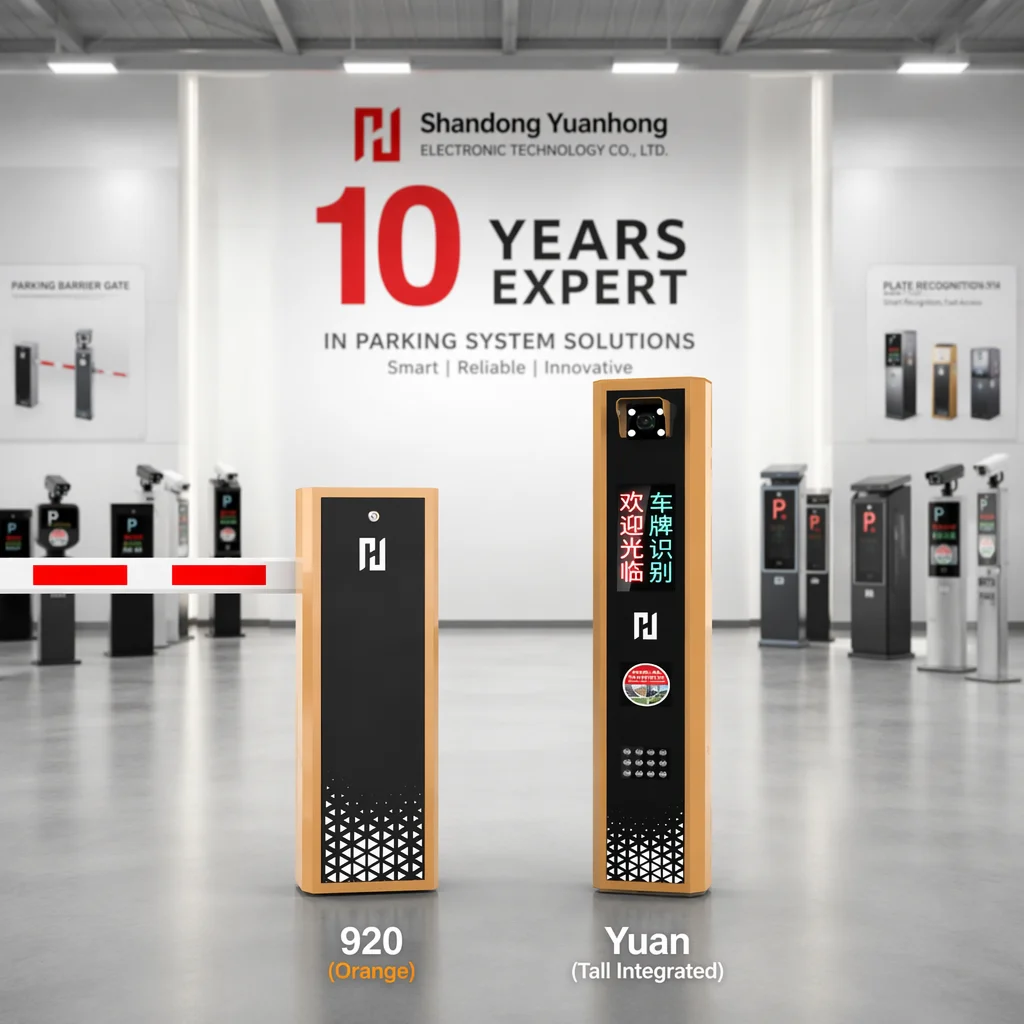
BAROXON Europe presents a product portfolio covering vehicle barriers, high-speed barrier gates, RFID access, ALPR/LPR recognition and related parking and pedestrian access-control equipment. This may suit projects that need to compare a stand-alone boom barrier with a more integrated access-control package. The published company information also describes manufacturing, R&D, quality-management systems and export support.
For a project enquiry, provide the site brief, lane dimensions, traffic estimate, preferred access method, power supply, installation environment and target delivery date. Ask BAROXON to recommend the appropriate barrier model and provide a written bill of materials, technical datasheet, dimensioned drawing, interface details, safety-device list, warranty terms and delivery estimate. This creates a clear basis for comparing the proposal with other manufacturers.
12. Frequently Asked Questions
What should I check before choosing a parking barrier manufacturer?
Start with product suitability, model-specific specifications, safety design, technical documentation, integration capability, warranty, spare-parts availability, delivery plan and total cost. Ask for written evidence rather than relying only on catalogue descriptions.
Is it better to buy directly from a manufacturer or through a local supplier?
Buying directly from a manufacturer may offer clearer access to product configuration, factory documentation and customisation. A local supplier or installer may offer site surveys, installation, local-language support and faster on-site response. The best route depends on the project's service requirements and who accepts responsibility for the complete installation.
What documents should a parking barrier supplier provide?
Request the product datasheet, installation manual, wiring diagram, dimensioned drawings, spare-parts list, maintenance instructions, warranty terms and applicable conformity documents for the exact model. For integrated systems, also request interface information and a description of the commissioning tests.
How can I tell whether a supplier's quoted opening speed is suitable?
Check the speed against the quoted arm length, motor configuration, duty cycle and site traffic. Ask for the test conditions and confirm that the selected configuration is approved for the expected operating frequency. A fast opening time alone does not prove that the barrier is suitable for continuous or high-frequency use.
Should I choose a supplier that offers RFID and ANPR integration?
If the car park needs credential-based access, visitor recognition or ticketless operation, RFID and ANPR integration may be useful. Confirm the supported hardware, software, communication interfaces and responsibility for integration testing. Do not pay for functions that the project does not need.
What is the most important factor when comparing parking barrier prices?
Compare the complete installed and supported solution, not just the barrier unit. Include the arm, controller, safety devices, access-control equipment, software, shipping, installation, commissioning, training, maintenance and spare parts. Make sure all suppliers have priced the same scope.
Conclusion: Compare Evidence, Scope and Long-Term Support
The right parking barrier manufacturer is not necessarily the supplier with the lowest quotation or the longest product catalogue. A reliable comparison looks at the match between the equipment and the site, the clarity of technical documentation, the safety arrangement, integration capability, compliance evidence, spare-parts support and the total cost of ownership. Applying the same checklist to every quotation makes the decision more transparent and easier to justify.
For European car park projects, define the requirements first, request model-specific evidence and confirm who is responsible for installation, integration and after-sales service. BAROXON Europe's range of boom barriers, RFID and ALPR/LPR systems provides a starting point for evaluating a complete vehicle access-control proposal. Final selection should always be based on the approved configuration, current documentation and written commercial terms.
For current datasheets, model configuration and project support, see the BAROXON Europe parking barrier and access control range.
Frequently Asked Questions
What should I check before choosing a parking barrier manufacturer?
Start with product suitability, model-specific specifications, safety design, technical documentation, integration capability, warranty, spare-parts availability, delivery plan and total cost. Ask for written evidence rather than relying only on catalogue descriptions.
Is it better to buy directly from a manufacturer or through a local supplier?
Buying directly from a manufacturer may offer clearer access to product configuration, factory documentation and customisation. A local supplier or installer may offer site surveys, installation, local-language support and faster on-site response. The best route depends on the project's service requirements and who accepts responsibility for the complete installation.
What documents should a parking barrier supplier provide?
Request the product datasheet, installation manual, wiring diagram, dimensioned drawings, spare-parts list, maintenance instructions, warranty terms and applicable conformity documents for the exact model. For integrated systems, also request interface information and a description of the commissioning tests.
How can I tell whether a supplier's quoted opening speed is suitable?
Check the speed against the quoted arm length, motor configuration, duty cycle and site traffic. Ask for the test conditions and confirm that the selected configuration is approved for the expected operating frequency. A fast opening time alone does not prove that the barrier is suitable for continuous or high-frequency use.
Should I choose a supplier that offers RFID and ANPR integration?
If the car park needs credential-based access, visitor recognition or ticketless operation, RFID and ANPR integration may be useful. Confirm the supported hardware, software, communication interfaces and responsibility for integration testing. Do not pay for functions that the project does not need.
What is the most important factor when comparing parking barrier prices?
Compare the complete installed and supported solution, not just the barrier unit. Include the arm, controller, safety devices, access-control equipment, software, shipping, installation, commissioning, training, maintenance and spare parts. Make sure all suppliers have priced the same scope.
Latest News
Baroxon® | Leading Boom Barrier Manufacturer
Advanced Security Access Control and Intelligent Parking Solutions.
Company Strength
Adequate Inventory
Fast Shipping
Our Products
CONTACT US
Address: No. 2 Wanshou Road, International Innovation Industrial Park, Jinan, Shandong, China






© COPYRIGHT 2025 Baroxon® | Leading Boom Barrier Manufacturer
Point your camera here to open WhatsApp chat
Scan with WeChat to add our engineer
Chat with us directly
Scan the QR code with your phone to start a WhatsApp or WeChat conversation with the Baroxon Europe export team — quotations, drawings and lead times answered by engineers, not bots.

Contact Us
Professional Manufacturer of Vehicle Barriers & License Plate Recognition Cameras,Smart Parking Access Control Solutions for Global Clients,Reliable Barrier Gates + LPR Systems, Customized to Your Project,From residential communities, commercial shopping malls, industrial parks to highway toll stations, our matched barrier & LPR sets can realize automatic license plate identification, automatic gate lifting, real-time access records, automatic charging and remote management.